
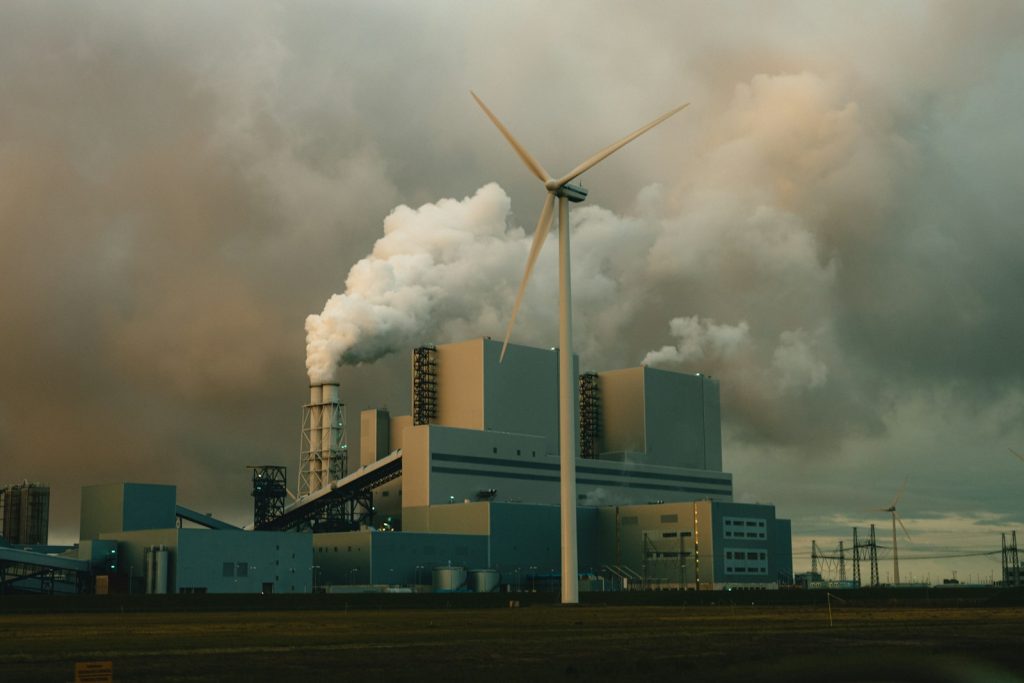
a factory with smoke billowing out of it's stacks

탄소, 자연, 그리고 배출량 감축을 위한 실질적인 길

목차

  1. 탄소가 중요한 이유 (쉬운 영어로)
  2. 탄소 101: 기본과 탄소 순환
  3. 배출은 어디에서 오는가
  4. 위험에 처한 것: 우리가 볼 수 있는 영향
  5. 자연의 역할: 숲, 토양, 바다
  6. 효과적인 것: 실제 솔루션(그리고 그렇지 않은 것)
  7. 더해지는 일상의 행동
  8. 기업: 실용적이고 측정 가능한 단계
  9. 정책 및 집단 행동
  10. 흔한 오해 - 빠르게 반박하기
  11. 어휘

탄소가 중요한 이유 (쉬운 영어로)

"탄소"는 열을 가두는 온실가스, 특히 대기 중에 축적되는 이산화탄소(CO₂)를 줄여 부르는 말입니다. 적정량만 되면 이러한 온실가스는 지구를 생명체가 살아갈 수 있을 만큼 따뜻하게 유지해 줍니다. 하지만 우리가 화석 연료를 태우고 자연이 탄소를 재흡수하는 속도보다 더 빠른 속도로 숲을 개간하면서, 그 균형이 무너졌습니다. 인류 역사상 그 어느 때보다 더 많은 열을 가두는 온실가스가 대기 중에 존재합니다. 그 결과 기온 상승, 계절 변화, 더 강한 폭염, 지역에 따라 더 많은 폭우와 더 심한 가뭄, 농작물 피해, 생태계 교란 등이 발생합니다.

좋은 소식은 우리가 무엇을 해야 할지 알고 있다는 것입니다. 우리는 배출량을 신속하게 줄이고, 자연이 더 많은 탄소를 저장할 수 있도록 돕고, 현명하게 적응할 수 있습니다. 이 모든 것에는 완벽한 해결책이나 하룻밤의 변화가 필요하지 않습니다. 가정, 지역 사회, 기업, 그리고 정부의 꾸준한 노력만 있으면 됩니다.

탄소 101: 기본과 탄소 순환

탄소는 자연적인 순환 고리를 통해 이동합니다. 식물은 공기 중의 이산화탄소를 흡수하여 당과 조직으로 만들고, 동물은 식물을 먹으며, 미생물은 부패할 때 일부 탄소를 공기와 토양으로 되돌려줍니다. 바다는 이산화탄소를 흡수하여 용해된 이산화탄소와 해양 생태계에 막대한 양의 이산화탄소를 저장합니다. 이것이 바로탄소 순환인류 역사의 대부분 동안 이 순환은 대략 균형을 유지했습니다.

우리는 수백만 년 동안 안전하게 묻혀 있던 석탄, 석유, 가스를 태우고, 탄소를 저장하던 숲을 개간하고 토양을 황폐화시킴으로써 그 균형을 깨뜨렸습니다. 배출량이 자연의 흡수 능력을 초과하면 이산화탄소 농도가 상승하고 추가적인 열이 축적됩니다.

배출은 어디에서 오는가

지구 온실가스의 대부분은 소수의 활동에서 발생합니다. 이러한 활동을 이해하면 영향력을 행사할 수 있습니다.

  • 전기 및 난방: 석탄과 가스를 연소하는 발전소.
  • 수송: 화석 연료를 사용하는 자동차, 트럭, 비행기, 선박.
  • 산업: 철강, 시멘트, 화학물질; 열 및 CO₂를 배출하는 공정.
  • 건물: 난방, 냉방 및 비효율적인 가전제품.
  • 음식과 땅: 삼림 벌채, 습지 배수, 탄소와 메탄을 방출하는 농업 관행.

위험에 처한 것: 우리가 볼 수 있는 영향

기후 변화는 먼 모델이 아닙니다. 우리가 측정하고 경험할 수 있는 일련의 변화입니다.

  • : 더 빈번하고 강렬한 폭염으로 건강 위험이 증가하고 에너지 수요가 증가합니다.
  • : 일부 지역에서는 강수량이 늘고, 다른 지역에서는 가뭄이 길어짐. 물 공급과 농업에 압박이 가중됨.
  • 해안: 해수면 상승으로 인해 홍수와 토양 침식이 심화되어 주택, 항구, 생태계가 위협받고 있습니다.
  • 자연: 이른 봄, 서식지 변화, 산호 표백, 스트레스 받는 숲; 적응이나 이동을 강요받는 종.
  • 음식: 더위, 수질 극한 상황, 해충으로 인해 작물 수확량이 영향을 받고, 바닷물 온도가 상승함에 따라 어업도 변화합니다.

규모는 심각하지만, 해결책을 위한 시간표는 인간적인 규모입니다. 더 깨끗한 공기, 더 나은 교통, 효율적인 주택, 그리고 풍요로운 녹지 공간 등 많은 조치들이 일상생활을 개선합니다.

자연의 역할: 숲, 토양, 바다

자연은 이미 연간 배출량의 약 절반을 흡수합니다. 우리가 생태계를 보호하고 복원할 때, 생태계는 더 많은 탄소를 저장합니다.

  • : 나무는 줄기, 가지, 뿌리, 그리고 흙에 탄소를 저장합니다. 삼림 벌채를 피하고 적절한 장소에 적절한 나무를 심는 것이 중요합니다.
  • 토양: 피복 작물, 경운 감소, 퇴비, 농림업과 같은 관행은 유기물을 생성하여 땅에 탄소를 가두는 동시에 비옥도와 수분 보유력을 높입니다.
  • 습지 및 이탄지: 세계에서 가장 밀도가 높은 탄소 저장소 중 하나입니다. 이를 보호하면 대량 방출을 막고 생물 다양성을 유지할 수 있습니다.
  • 바다와 해안: 해초, 맹그로브, 소금 습지("블루 카본")는 폭풍을 완화하고 어장을 육성하는 동시에 탄소를 효율적으로 포집하고 저장합니다.

자연을 보호하는 것은 화석 연료 사용을 줄이는 것을 대체하는 것이 아니라, 협력 전략입니다. 두 가지 전략이 함께할 때, 우리는 더 빠르게 안정적인 기후에 도달할 수 있습니다.

효과적인 것: 실제 솔루션(그리고 그렇지 않은 것)

단 하나의 해결책은 없지만 실용적인 묶음은 지속적으로 다음과 같은 효과를 제공합니다.

  • 깨끗한 전력: 풍력, 태양광, 지열, 그리고 저장 기술은 그 어느 때보다 저렴하고 점점 더 발전하고 있습니다.
  • 능률: 단열재, 히트펌프, LED 조명, 스마트 제어장치를 통해 비용과 배출량을 줄입니다.
  • 깨끗한 운송: 대중교통, 자전거 타기, 걷기, 전기 자동차, 효율적인 물류는 석유 사용량과 대기 오염을 줄입니다.
  • 더 나은 재료: 저탄소 시멘트와 강철, 재활용 소재 사용, 그리고 사용량을 줄이기 위한 설계.
  • 자연 기반 솔루션: 숲과 습지를 보호하고, 황폐화된 토지를 복원하고, 농업 관행을 개선합니다.

조심해야 할 것: 과장과 "탄소 회계 속임수". 어떤 탄소 상쇄는 실제 복원에 자금을 지원하고, 어떤 상쇄는 과장된 약속을 합니다. 모든 상쇄는 보완적이어야 합니다.~ 아니다실제 배출량을 줄이지 않아도 되는 허가.

더해지는 일상의 행동

모든 것을 한꺼번에 할 필요는 없습니다. 자신의 삶과 예산에 맞는 몇 가지 단계를 선택하세요.

  • 가정용 에너지: 통풍을 차단하고, 단열재를 업그레이드하고, LED 전구로 바꾸고, 난방/냉방을 위해 히트 펌프를 고려하고, 오래된 장치가 고장났을 경우 히트 펌프 온수기를 사용하세요.
  • 전기: 가능하다면 친환경 전력 계획을 선택하거나, 가능하다면 옥상 태양광을 추가하세요.
  • 수송: 여러 여행을 결합하세요. 짧은 심부름은 걸어서 가거나 자전거를 이용하세요. 실용적이라면 대중교통을 이용하세요. 자동차를 대체할 때는 하이브리드나 전기 자동차를 고려하세요.
  • 음식: 식물을 더 많이 키우면 쓰레기도 줄어듭니다. 식사 계획을 세우고 냉동실을 활용하세요.
  • 집에서의 자연: 토종 식물을 심고, 잔디밭 면적을 줄이고, 새들을 위해 작은 물 공급원을 추가하고, 가능하면 살충제 사용을 피하세요.

기업: 실용적이고 측정 가능한 단계

작은 매장이든 성장하는 회사이든 동일한 원칙이 적용됩니다. 즉, 측정하고, 줄이고, 나머지를 중립화하는 것입니다.

  • 측정하다: 에너지, 여행, 구매 상품을 추적하세요. 전기 및 연료 요금부터 시작하여 시간이 지남에 따라 확장하세요.
  • 줄이다: 효율성 업그레이드, 청정 전력 계약, 보다 스마트한 물류, 공급업체 참여.
  • 설계: 가벼운 포장재, 재활용 소재, 수리 가능한 제품, 순환 시스템.
  • 중화하다: 크레딧을 구매하는 경우, 생태계를 보호하거나 복원하고 지역적으로 혜택을 제공하는 강력한 검증을 거친 자연 프로젝트를 선호하세요.
  • 보고서: 매년 진행 상황을 공유하세요. 무엇이 효과가 있었고, 무엇이 효과가 없었으며, 다음 단계는 무엇인지 알려주세요.

정책 및 집단 행동

시스템이 개인의 선택을 쉽게 만들어 줄 때 더욱 중요합니다. 안정적인 대중교통, 전력망의 깨끗한 전력, 효율성을 중시하는 건축법규, 그리고 자연 보호 기금 마련이 그 예입니다. 지역 나무 심기, 습지 복원, 그리고 산책로 네트워크를 지원하고, 일상생활을 개선하는 실용적인 기후 프로젝트(예: 그늘 나무, 더 안전한 거리, 더 나은 버스와 기차, 그리고 회복력 있는 공원)를 우선시하도록 관계자들에게 요청하십시오.

흔한 오해 - 빠르게 반박하기

"내 선택은 중요하지 않아요."그렇습니다. 특히 지역 사회 전반에 걸쳐 확산되고 더 나은 시스템에 의해 지원될 때 더욱 그렇습니다.

"태양광과 풍력만으로는 모든 것을 전력으로 공급할 수 없습니다."효율성, 저장, 유연한 수요를 갖추면 대부분의 사물에 저렴한 가격으로 전력을 공급할 수 있습니다. 다른 청정 에너지원은 전기화하기 어려운 용도에도 사용할 수 있습니다.

"나무를 심으면 모든 게 해결됩니다."나무가 도움이 되지만, 배출을 줄이고 기존 생태계를 보호하는 것이 훨씬 더 중요합니다.

어휘

이산화탄소(CO₂): 주로 화석 연료의 연소와 토지 이용 변화로 인해 방출되는 열을 가두는 가스입니다.

온실가스(GHG): 지구를 따뜻하게 하는 CO₂, 메탄, 아산화질소와 같은 가스.

탄소 흡수원: 방출하는 것보다 더 많은 탄소를 흡수하는 저장소(예: 숲, 바다, 토양).

자연 기반 솔루션: 기후 및 기타 사회적 목표를 해결하기 위해 생태계를 보호, 관리 또는 복원하는 활동입니다.

결론:화석 연료 사용을 줄이고, 자연을 보호하고, 지속 가능한 실질적인 조치를 취하세요. 이것이 우리 모두가 실천할 수 있는 계획입니다.

Document Title
Carbon, Nature, and the Practical Path to Cutting Emissions - Florin.blog
Image Alt
Florin.blog
a factory with smoke billowing out of it's stacks
Title Attribute
Florin.blog » Feed
JSON
RSD
oEmbed (JSON)
oEmbed (XML)
Skip to content
View all posts by Admin
Nature’s Tapestry: A Practical Guide to Landscapes, Wildlife, and Conservation
Practical Daily Habits to Reduce Your Ecological Footprint
Page Content
Carbon, Nature, and the Practical Path to Cutting Emissions - Florin.blog
Skip to content
Home
Blog
Nature
Climate
Main Menu
Carbon, Nature, and the Practical Path to Cutting Emissions
/
,
/ By
Admin
Table of Contents
Why Carbon Matters (In Plain English)
Carbon 101: Basics and the Carbon Cycle
Where Emissions Come From
What’s at Stake: Impacts We Can See
Nature’s Role: Forests, Soils, and Oceans
What Works: Real Solutions (and What Doesn’t)
Everyday Actions That Add Up
Businesses: Practical, Measurable Steps
Policy and Collective Action
Common Myths—Quick Debunks
Glossary
“Carbon” is shorthand for heat‑trapping greenhouse gases—especially carbon dioxide (CO₂)—that build up in our atmosphere. In the right amounts, these gases keep Earth warm enough for life. But because we burn fossil fuels and clear forests faster than nature can re‑absorb carbon, the balance has shifted. We now have more heat‑trapping gas in the air than at any time in human history. The result: rising temperatures, shifting seasons, stronger heat waves, heavier downpours in some places and deeper droughts in others, stressed crops, and disrupted ecosystems.
The good news: we know what to do. We can cut emissions quickly, support nature so it can store more carbon, and adapt smartly. None of this requires perfect solutions or overnight change—just a steady commitment from households, communities, businesses, and governments.
Carbon moves through a natural loop: plants pull CO₂ from the air, turn it into sugars and tissues, animals eat plants, and microbes return some carbon to the air and soil when things decay. Oceans absorb CO₂ and store vast amounts of it, both dissolved and in marine ecosystems. This is the
carbon cycle
. For most of human history, the cycle stayed roughly in balance.
We tipped that balance by burning coal, oil, and gas—carbon that was safely buried for millions of years—and by clearing forests and degrading soils that used to store carbon. When emissions outrun nature’s ability to absorb them, CO₂ rises and extra heat accumulates.
Most global emissions come from a handful of activities. Understanding them helps us find leverage:
Electricity & Heat
: Power plants that burn coal and gas.
Transport
: Cars, trucks, planes, and ships that run on fossil fuels.
Industry
: Steel, cement, chemicals; heat and processes that release CO₂.
Buildings
: Heating, cooling, and inefficient appliances.
Food & Land
: Deforestation, draining wetlands, and agricultural practices that release carbon and methane.
Climate change is not a distant model—it’s a set of shifts we can measure and experience:
Heat
: More frequent and intense heat waves, raising health risks and energy demand.
Water
: Heavier rainfall in some regions, longer droughts in others; pressure on water supply and farming.
Coasts
: Rising seas increase flooding and erosion, threatening homes, ports, and ecosystems.
: Earlier springs, shifting ranges, bleaching corals, stressed forests; species forced to adapt or move.
Food
: Crop yields impacted by heat, water extremes, and pests; fisheries shift with warming seas.
The scale is serious—but the timeline for solutions is human‑scale. Many actions improve daily life: cleaner air, better transit, efficient homes, and thriving green spaces.
Nature already absorbs roughly half of our annual emissions. When we protect and restore ecosystems, they store even more carbon:
Forests
: Trees store carbon in trunks, branches, roots, and soil. Avoiding deforestation and planting the right trees in the right places matters.
Soils
: Practices like cover crops, reduced tillage, compost, and agroforestry build organic matter—locking carbon into the ground while boosting fertility and water retention.
Wetlands & Peatlands
: Some of the world’s densest carbon stores; protecting them prevents massive releases and supports biodiversity.
Oceans & Coasts
: Seagrasses, mangroves, and salt marshes (“blue carbon”) capture and store carbon efficiently while buffering storms and nurturing fisheries.
Supporting nature is not a substitute for cutting fossil fuel use; it’s a partner strategy. Together, they get us to a stable climate faster.
There’s no single fix, but a practical bundle consistently delivers:
Clean power
: Wind, solar, geothermal, and storage—cheaper than ever and getting better.
Efficiency
: Insulation, heat pumps, LED lighting, smart controls—lower bills and emissions.
Clean transport
: Public transit, cycling, walking, EVs, and efficient logistics reduce oil use and air pollution.
Better materials
: Low‑carbon cement and steel, recycled content, and designing to use less.
Nature‑based solutions
: Protect forests and wetlands; restore degraded lands; improve agricultural practices.
What to watch out for
: exaggerations and “carbon accounting tricks.” Some carbon offsets fund real restoration; others over‑promise. Any offset should be a complement—
not
a license to avoid cutting real emissions.
You don’t need to do everything at once. Pick a few steps that fit your life and budget:
Home energy
: Seal drafts; upgrade insulation; switch to LED bulbs; consider a heat pump for heating/cooling and a heat‑pump water heater when your old unit fails.
Electricity
: Choose a green power plan if available, or add rooftop solar if feasible.
: Combine trips; walk/bike for short errands; use transit when it’s practical; consider a hybrid or EV when replacing a car.
: More plants, less waste. Plan meals and use your freezer.
Nature at home
: Plant native species, reduce lawn area, add a small water source for birds, and avoid pesticides when possible.
Whether you’re a small shop or a growing company, the same principles apply—measure, reduce, then neutralize the remainder:
Measure
: Track energy, travel, and purchased goods. Start with electricity and fuel bills; expand over time.
Reduce
: Efficiency upgrades, clean power contracts, smarter logistics, supplier engagement.
Design
: Lighter packaging, recycled materials, repairable products, and circular systems.
Neutralize
: If you buy credits, prefer nature projects with strong verification that protect or restore ecosystems and deliver local benefits.
Report
: Share progress annually—what worked, what didn’t, and what’s next.
Individual choices matter more when systems make them easy: reliable transit, clean power on the grid, building codes that reward efficiency, and funding for nature. Support local tree‑planting, wetland restoration, and trail networks; ask officials to prioritize practical climate projects that also improve daily life—shade trees, safer streets, better buses and trains, and resilient parks.
“My choices don’t matter.”
They do—especially when multiplied across communities and supported by better systems.
“Solar and wind can’t power everything.”
They can power most things affordably when paired with efficiency, storage, and flexible demand; other clean sources can cover hard‑to‑electrify uses.
“Planting trees fixes it all.”
Trees help, but avoiding emissions and protecting existing ecosystems matter even more.
Carbon dioxide (CO₂)
: A heat‑trapping gas released mainly by burning fossil fuels and land‑use change.
Greenhouse gases (GHGs)
: Gases like CO₂, methane, and nitrous oxide that warm the planet.
Carbon sink
: A reservoir that absorbs more carbon than it releases (e.g., forests, oceans, soils).
: Actions that protect, manage, or restore ecosystems to address climate and other societal goals.
Bottom line:
Cut fossil fuel use, support nature, and choose practical steps you can sustain. That’s a plan we can all live with.
Previous Post
Next Post
Quick Links
Indoor
Outdoors
About
Contact
Explore
Bestsellers
Hot deals
Best of The Year
Featured
Gift Cards
Help
Privacy Policy
Disclaimer
: As an Amazon Associate, we earn from qualifying purchases — at no extra cost to you.
Florin.blog
a factory with smoke billowing out of it's stacks
Florin.blog » Feed
JSON
RSD
oEmbed (JSON)
oEmbed (XML)
View all posts by Admin
Nature’s Tapestry: A Practical Guide to Landscapes, Wildlife, and Conservation
Practical Daily Habits to Reduce Your Ecological Footprint
Document Title
Page not found - Florin.blog
Image Alt
Florin.blog
Title Attribute
Florin.blog » Feed
RSD
Skip to content
Placeholder Attribute
Search...
Page Content
Page not found - Florin.blog
Skip to content
Home
Blog
Garden Decor
Indoor
Main Menu
This page doesn't seem to exist.
It looks like the link pointing here was faulty. Maybe try searching?
Search for:
Search
Quick Links
Outdoors
About
Contact
Explore
Bestsellers
Hot deals
Best of The Year
Featured
Gift Cards
Help
Privacy Policy
Disclaimer
: As an Amazon Associate, we earn from qualifying purchases — at no extra cost to you.
Florin.blog
Florin.blog » Feed
RSD
Search...
한국어