
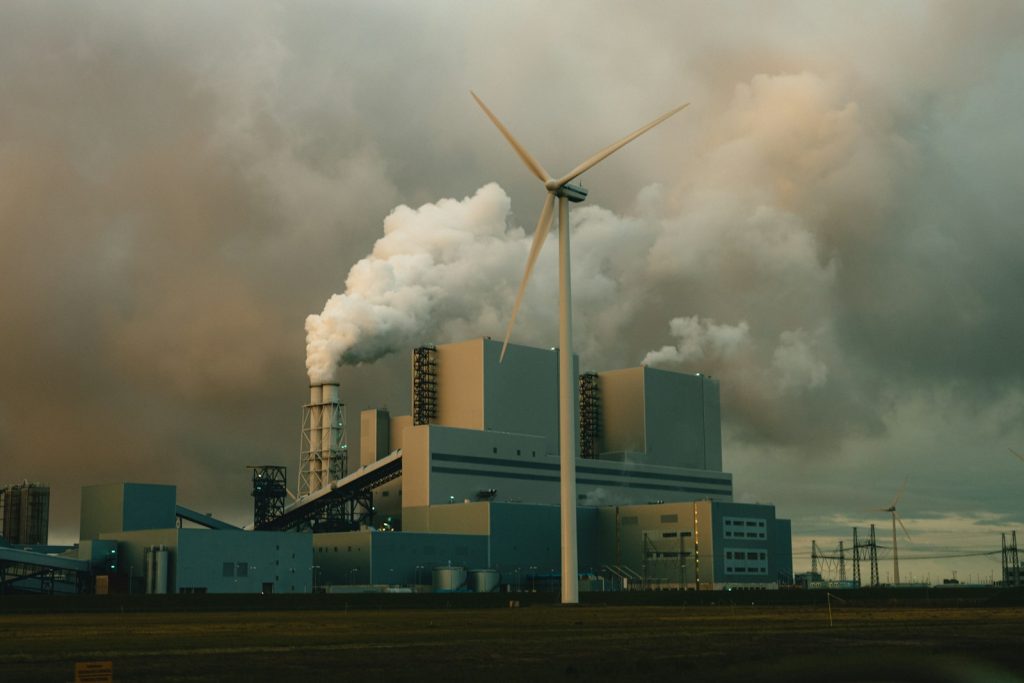
a factory with smoke billowing out of it's stacks

الكربون والطبيعة والمسار العملي لخفض الانبعاثات

جدول المحتويات

  1. لماذا يُعد الكربون مهمًا؟ (ببساطة)
  2. الكربون 101: الأساسيات ودورة الكربون
  3. من أين تأتي الانبعاثات
  4. ما هو على المحك: التأثيرات التي يمكننا رؤيتها
  5. الطبيعة: الغابات والتربة والبيئات
  6. ما نجح: الحلول القديمة (وما لا نجح)
  7. الأفعال اليومية التي تتراكم
  8. الشركات: خطوات عملية وقابلة للقياس
  9. السياسة والعمل الجماعي
  10. الأساطير الشائعة - تفنيد سريع
  11. المصطلحات

لماذا يُعد الكربون مهمًا؟ (ببساطة)

"الكربون" اختصارٌ لغازات الدفيئة الحابسة للحرارة، وخاصةً ثاني أكسيد الكربون (CO₂)، التي تتراكم في غلافنا الجوي. بكمياتٍ مناسبة، تُبقي هذه الغازات الأرض دافئةً بما يكفي للحياة. ولكن لأننا نحرق الوقود الأحفوري ونُزيل الغابات بسرعةٍ تفوق قدرة الطبيعة على إعادة امتصاص الكربون، فقد اختل التوازن. لدينا الآن غازاتٌ حابسةٌ للحرارة في الهواء أكثر من أي وقتٍ مضى في تاريخ البشرية. والنتيجة: ارتفاعٌ في درجات الحرارة، وتغيرٌ في الفصول، وموجات حرٍّ أشد، وأمطارٌ غزيرةٌ في بعض الأماكن، وجفافٌ أشدّ في أخرى، ومحاصيلٌ مُجهَدة، وأنظمةٌ بيئيةٌ مُضطربة.

الخبر السار: نحن نعرف ما يجب فعله. يمكننا خفض الانبعاثات بسرعة، ودعم الطبيعة لتتمكن من تخزين المزيد من الكربون، والتكيف بذكاء. لا يتطلب أيٌّ من هذا حلولاً مثالية أو تغييراً سريعاً، بل مجرد التزام ثابت من الأسر والمجتمعات والشركات والحكومات.

الكربون 101: الأساسيات ودورة الكربون

يتحرك الكربون عبر دورة طبيعية: تسحب النباتات ثاني أكسيد الكربون من الهواء، وتحوله إلى سكريات وأنسجة، وتتغذى الحيوانات على النباتات، وتعيد الميكروبات بعض الكربون إلى الهواء والتربة عند تحللها. تمتص المحيطات ثاني أكسيد الكربون وتخزن كميات هائلة منه، سواءً ذائبًا أو في النظم البيئية البحرية. هذا هودورة الكربونعلى مدى الجزء الأكبر من تاريخ البشرية، ظلت الدورة متوازنة تقريبًا.

لقد قلبنا هذا التوازن بحرق الفحم والنفط والغاز - الكربون الذي ظلّ مدفونًا بأمان لملايين السنين - وبإزالة الغابات وتدهور التربة التي كانت تُخزّن الكربون. عندما تتجاوز الانبعاثات قدرة الطبيعة على امتصاصها، يرتفع مستوى ثاني أكسيد الكربون وتتراكم الحرارة الزائدة.

من أين تأتي الانبعاثات

معظم الانبعاثات العالمية تأتي من عدد قليل من الأنشطة. فهمها يساعدنا على إيجاد حلول فعالة:

  • الكهرباء والتدفئة:محطات الطاقة التي تحرق الفحم والغاز.
  • ينقل:السيارات والشاحنات والطائرات والسفن التي تعمل بالوقود الأحفوري.
  • صناعة:الصلب، والأسمنت، والمواد الكيميائية؛ والحرارة والعمليات التي تطلق ثاني أكسيد الكربون.
  • المباني:التدفئة والتبريد والأجهزة غير الفعالة.
  • الغذاء والأرض:إزالة الغابات، وتجفيف الأراضي الرطبة، والممارسات الزراعية التي تطلق الكربون والميثان.

ما هو على المحك: التأثيرات التي يمكننا رؤيتها

إن تغير المناخ ليس نموذجًا بعيدًا، بل هو مجموعة من التحولات التي يمكننا قياسها وتجربتها:

  • حرارة:موجات الحر المتكررة والشدة، مما يؤدي إلى زيادة المخاطر الصحية وزيادة الطلب على الطاقة.
  • ماء:هطول أمطار غزيرة في بعض المناطق، وجفاف أطول في مناطق أخرى؛ وضغوط على إمدادات المياه والزراعة.
  • السواحل:يؤدي ارتفاع مستوى سطح البحر إلى زيادة الفيضانات والتآكل، مما يهدد المنازل والموانئ والنظم البيئية.
  • طبيعة:الربيع المبكر، النطاقات المتغيرة، تبييض الشعاب المرجانية، الغابات المجهدة؛ الأنواع مجبرة على التكيف أو الانتقال.
  • طعام:تتأثر غلة الخضراوات والدرارات المائية والفات؛ وتتحول مصائد الأسماك إلى درجة حرارة عالية.

حجم المشكلة كبير، لكن الجدول الزمني للحلول يعتمد على حجمها البشري. العديد من التدابير تُحسّن تحسين الحياة اليومية: أنظف، ومواصلات أفضل، ومنازل أكثر كفاءة، ومساحات خضراء أكثر ازدهارًا.

الطبيعة: الغابات والتربة والبيئات

يمكن أن يحدث بالفعل ما يتسبب في انبعاث الكربون سنويًا. وعندما نحمي إلكترونيات الكربون الإلكترونية ونُعيدها، فلا تُخزّن لتصبح أكبر من.

  • الغاباتتُخزّن قطع الكربون في جذوعها وأغصانها وجذورها وتربتها. لذا، من الضروري إزالة تجنّب الغابات وزراعة أصغر التقنيات في أبسط التفاصيل.
  • التربة:إن الفعالة مثل تغطية الكربون، والتغطية، والسماد، الزراعية الحراجية تعمل على بناء طبقة العضوية - مما يؤدي إلى حبس في الأرض مع تعزيز الخصوبة والاحتفاظ بالاحتفاظ.
  • ملكية الأراضي والأراضي الخث:بعض من أكثر مخازن الكربون مكياج في العالم؛ حيث أن حمايتها تمنع التنوع البيولوجي وتدعم التنوع البيولوجي.
  • التينات والسواحل:تعمل أعشاب البحر وأشجار المانجروف والمستنقعات المالحة ("الكربون الأزرق الكربوني") على التقاط كليه تماما من الأسماك مع مصائد من العواصف.

درجة الحرارة - بديلاً عن خفض استخدام الوقود الأحفوري؛ بل هو استراتيجية شراكة. لربما، نصل إلى مناخ ضعيف بشكل أسرع.

ما نجح: الحلول القديمة (وما لا نجح)

لا يوجد حل واحد، ولكن هناك حزمة معقدة لك من الطب:

  • الطاقة النظيفة:طاقة الرياح الشمسية الواقعة على المنطقة الحرارية والتخزين - ضيوفها في أي وقت مضى وتتحسن.
  • كفاءة:العزل، والمضخات الحرارية، والإضاءة LED،أقطاب التحكم الذكية - فواتير وانبعاثات أقل.
  • النقل النظيف:تساهم في المساهمة في النقل العام ولركوب الدراجات والمشي والمركبات الكهربائية والخدمات بما في ذلك حظر استخدام النفط واللوث الهواء.
  • مواد أفضل:الأسم والكربون الصلب المنخفض، والمحتوى السيئ من الحيوان، استهلاكه أقل.
  • الحلول المستندة إلى الطبيعة:حماية الأراضي والغابات الرطبة؛ واستعادة المتدهورة؛ العمل التجاري الزراعي

ما الذي يجب عليه أن يطلب منهالمبالغات و"خدع محاسبة الكربون". بعض تعويضات الكربون تُموّل الترميم الحقيقي؛ بينما تُبالغ أخرى في الوعود. أي تعويض يجب أن يكون مُكمّلًا—لاترخيص لتجنب خفض الانبعاثات الحقيقية.

الأفعال اليومية التي تتراكم

ليس عليك القيام بكل شيء دفعةً واحدة. اختر بعض الخطوات التي تناسب نمط حياتك وميزانيتك:

  • الطاقة المنزلية:سد المسودات؛ ترقية العزل؛ التحول إلى مصابيح LED؛ فكر في استخدام مضخة حرارية للتدفئة/التبريد وسخان مياه بمضخة حرارية عندما تفشل وحدتك القديمة.
  • كهرباء:اختر خطة الطاقة الخضراء إذا كانت متاحة، أو أضف الطاقة الشمسية على السطح إذا كان ذلك ممكنًا.
  • ينقل:اجمع الرحلات؛ المشي/ركوب الدراجة للمهمات القصيرة؛ استخدم وسائل النقل العام عندما يكون ذلك عمليًا؛ فكر في استخدام سيارة هجينة أو كهربائية عند استبدال السيارة.
  • طعامنباتات أكثر، نفايات أقل. خطط لوجباتك واستخدم مُجمدك.
  • الطبيعة في المنزل:ازرع الأنواع المحلية من النباتات، وقلل مساحة العشب، وأضف مصدرًا صغيرًا للمياه للطيور، وتجنب المبيدات الحشرية عندما يكون ذلك ممكنًا.

الشركات: خطوات عملية وقابلة للقياس

سواء كنت تمتلك متجرًا صغيرًا أو شركة متنامية، فإن المبادئ نفسها تنطبق عليك - القياس، والتقليل، ثم تحييد الباقي:

  • يقيس: تتبّع الطاقة والسفر والسلع المشتراة. ابدأ بفواتير الكهرباء والوقود، ثم وسّعها مع مرور الوقت.
  • يقلل:ترقيات الكفاءة، وعقود الطاقة النظيفة، والخدمات اللوجستية الذكية، وإشراك الموردين.
  • تصميم:التعبئة الأخف وزناً، والمواد المعاد تدويرها، والمنتجات القابلة للإصلاح، والأنظمة الدائرية.
  • تحييد:إذا كنت تشتري الاعتمادات، فتفضيل المشاريع الطبيعية التي تتمتع بتحقق قوي والتي تعمل على حماية أو استعادة النظم البيئية وتقديم فوائد محلية.
  • تقرير:شارك التقدم سنويًا - ما نجح، وما لم ينجح، وما هو التالي.

السياسة والعمل الجماعي

تُصبح الخيارات الفردية أكثر أهمية عندما تُسهّلها الأنظمة: وسائل نقل موثوقة، وطاقة نظيفة متصلة بالشبكة، وقوانين بناء تُكافئ الكفاءة، وتمويل للطبيعة. ادعموا زراعة الأشجار المحلية، واستعادة الأراضي الرطبة، وشبكات المسارات؛ اطلبوا من المسؤولين إعطاء الأولوية لمشاريع المناخ العملية التي تُحسّن الحياة اليومية أيضًا - أشجار الظل، وشوارع أكثر أمانًا، وحافلات وقطارات أفضل، وحدائق مرنة.

الأساطير الشائعة - تفنيد سريع

"اختياراتي لا تهم."إنهم يفعلون ذلك - خاصة عندما يتم مضاعفتها عبر المجتمعات ودعمها بأنظمة أفضل.

"لا تستطيع الطاقة الشمسية وطاقة الرياح توفير الطاقة لكل شيء."إن مصادر الطاقة النظيفة قادرة على توفير الطاقة لمعظم الأشياء بتكلفة معقولة عندما تقترن بالكفاءة والتخزين والطلب المرن؛ كما يمكن لمصادر نظيفة أخرى تغطية الاستخدامات التي يصعب كهربتها.

"غرس الأشجار يحل كل شيء."إن الأشجار تساعد، ولكن تجنب الانبعاثات وحماية النظم البيئية القائمة هو الأمر الأكثر أهمية.

المصطلحات

ثاني أكسيد الكربون (CO₂):غاز يحبس الحرارة وينطلق بشكل أساسي نتيجة حرق الوقود الأحفوري وتغير استخدام الأراضي.

الغازات الدفيئة (GHGs):الغازات مثل ثاني أكسيد الكربون والميثان وأكسيد النيتروز التي تعمل على ارتفاع درجة حرارة الكوكب.

بالوعة الكربون:خزان يمتص كمية من الكربون أكبر مما يطلقه (على سبيل المثال، الغابات، والمحيطات، والتربة).

الحلول المستندة إلى الطبيعة:الإجراءات التي تهدف إلى حماية أو إدارة أو استعادة النظم البيئية لمعالجة أهداف المناخ وغيرها من الأهداف المجتمعية.

خلاصة القول:قلّل من استخدام الوقود الأحفوري، وادعم الطبيعة، واختر خطوات عملية يُمكنك استدامتها. هذه خطة يُمكننا جميعًا التعايش معها.

Document Title
Carbon, Nature, and the Practical Path to Cutting Emissions - Florin.blog
Image Alt
a factory with smoke billowing out of it's stacks
Title Attribute
JSON
oEmbed (JSON)
oEmbed (XML)
View all posts by Admin
Nature’s Tapestry: A Practical Guide to Landscapes, Wildlife, and Conservation
Page Content
Carbon, Nature, and the Practical Path to Cutting Emissions - Florin.blog
Nature
Climate
Carbon, Nature, and the Practical Path to Cutting Emissions
/
,
/ By
Admin
Table of Contents
Why Carbon Matters (In Plain English)
Carbon 101: Basics and the Carbon Cycle
Where Emissions Come From
What’s at Stake: Impacts We Can See
Nature’s Role: Forests, Soils, and Oceans
What Works: Real Solutions (and What Doesn’t)
Everyday Actions That Add Up
Businesses: Practical, Measurable Steps
Policy and Collective Action
Common Myths—Quick Debunks
Glossary
“Carbon” is shorthand for heat‑trapping greenhouse gases—especially carbon dioxide (CO₂)—that build up in our atmosphere. In the right amounts, these gases keep Earth warm enough for life. But because we burn fossil fuels and clear forests faster than nature can re‑absorb carbon, the balance has shifted. We now have more heat‑trapping gas in the air than at any time in human history. The result: rising temperatures, shifting seasons, stronger heat waves, heavier downpours in some places and deeper droughts in others, stressed crops, and disrupted ecosystems.
The good news: we know what to do. We can cut emissions quickly, support nature so it can store more carbon, and adapt smartly. None of this requires perfect solutions or overnight change—just a steady commitment from households, communities, businesses, and governments.
Carbon moves through a natural loop: plants pull CO₂ from the air, turn it into sugars and tissues, animals eat plants, and microbes return some carbon to the air and soil when things decay. Oceans absorb CO₂ and store vast amounts of it, both dissolved and in marine ecosystems. This is the
carbon cycle
. For most of human history, the cycle stayed roughly in balance.
We tipped that balance by burning coal, oil, and gas—carbon that was safely buried for millions of years—and by clearing forests and degrading soils that used to store carbon. When emissions outrun nature’s ability to absorb them, CO₂ rises and extra heat accumulates.
Most global emissions come from a handful of activities. Understanding them helps us find leverage:
Electricity & Heat
: Power plants that burn coal and gas.
Transport
: Cars, trucks, planes, and ships that run on fossil fuels.
Industry
: Steel, cement, chemicals; heat and processes that release CO₂.
Buildings
: Heating, cooling, and inefficient appliances.
Food & Land
: Deforestation, draining wetlands, and agricultural practices that release carbon and methane.
Climate change is not a distant model—it’s a set of shifts we can measure and experience:
Heat
: More frequent and intense heat waves, raising health risks and energy demand.
Water
: Heavier rainfall in some regions, longer droughts in others; pressure on water supply and farming.
Coasts
: Rising seas increase flooding and erosion, threatening homes, ports, and ecosystems.
: Earlier springs, shifting ranges, bleaching corals, stressed forests; species forced to adapt or move.
Food
: Crop yields impacted by heat, water extremes, and pests; fisheries shift with warming seas.
The scale is serious—but the timeline for solutions is human‑scale. Many actions improve daily life: cleaner air, better transit, efficient homes, and thriving green spaces.
Nature already absorbs roughly half of our annual emissions. When we protect and restore ecosystems, they store even more carbon:
Forests
: Trees store carbon in trunks, branches, roots, and soil. Avoiding deforestation and planting the right trees in the right places matters.
Soils
: Practices like cover crops, reduced tillage, compost, and agroforestry build organic matter—locking carbon into the ground while boosting fertility and water retention.
Wetlands & Peatlands
: Some of the world’s densest carbon stores; protecting them prevents massive releases and supports biodiversity.
Oceans & Coasts
: Seagrasses, mangroves, and salt marshes (“blue carbon”) capture and store carbon efficiently while buffering storms and nurturing fisheries.
Supporting nature is not a substitute for cutting fossil fuel use; it’s a partner strategy. Together, they get us to a stable climate faster.
There’s no single fix, but a practical bundle consistently delivers:
Clean power
: Wind, solar, geothermal, and storage—cheaper than ever and getting better.
Efficiency
: Insulation, heat pumps, LED lighting, smart controls—lower bills and emissions.
Clean transport
: Public transit, cycling, walking, EVs, and efficient logistics reduce oil use and air pollution.
Better materials
: Low‑carbon cement and steel, recycled content, and designing to use less.
Nature‑based solutions
: Protect forests and wetlands; restore degraded lands; improve agricultural practices.
What to watch out for
: exaggerations and “carbon accounting tricks.” Some carbon offsets fund real restoration; others over‑promise. Any offset should be a complement—
not
a license to avoid cutting real emissions.
You don’t need to do everything at once. Pick a few steps that fit your life and budget:
Home energy
: Seal drafts; upgrade insulation; switch to LED bulbs; consider a heat pump for heating/cooling and a heat‑pump water heater when your old unit fails.
Electricity
: Choose a green power plan if available, or add rooftop solar if feasible.
: Combine trips; walk/bike for short errands; use transit when it’s practical; consider a hybrid or EV when replacing a car.
: More plants, less waste. Plan meals and use your freezer.
Nature at home
: Plant native species, reduce lawn area, add a small water source for birds, and avoid pesticides when possible.
Whether you’re a small shop or a growing company, the same principles apply—measure, reduce, then neutralize the remainder:
Measure
: Track energy, travel, and purchased goods. Start with electricity and fuel bills; expand over time.
Reduce
: Efficiency upgrades, clean power contracts, smarter logistics, supplier engagement.
Design
: Lighter packaging, recycled materials, repairable products, and circular systems.
Neutralize
: If you buy credits, prefer nature projects with strong verification that protect or restore ecosystems and deliver local benefits.
Report
: Share progress annually—what worked, what didn’t, and what’s next.
Individual choices matter more when systems make them easy: reliable transit, clean power on the grid, building codes that reward efficiency, and funding for nature. Support local tree‑planting, wetland restoration, and trail networks; ask officials to prioritize practical climate projects that also improve daily life—shade trees, safer streets, better buses and trains, and resilient parks.
“My choices don’t matter.”
They do—especially when multiplied across communities and supported by better systems.
“Solar and wind can’t power everything.”
They can power most things affordably when paired with efficiency, storage, and flexible demand; other clean sources can cover hard‑to‑electrify uses.
“Planting trees fixes it all.”
Trees help, but avoiding emissions and protecting existing ecosystems matter even more.
Carbon dioxide (CO₂)
: A heat‑trapping gas released mainly by burning fossil fuels and land‑use change.
Greenhouse gases (GHGs)
: Gases like CO₂, methane, and nitrous oxide that warm the planet.
Carbon sink
: A reservoir that absorbs more carbon than it releases (e.g., forests, oceans, soils).
: Actions that protect, manage, or restore ecosystems to address climate and other societal goals.
Bottom line:
Cut fossil fuel use, support nature, and choose practical steps you can sustain. That’s a plan we can all live with.
Previous Post
a factory with smoke billowing out of it's stacks
JSON
oEmbed (JSON)
oEmbed (XML)
View all posts by Admin
Nature’s Tapestry: A Practical Guide to Landscapes, Wildlife, and Conservation
Document Title
Page not found - Florin.blog
Image Alt
Florin.blog
Title Attribute
Florin.blog » Feed
RSD
Skip to content
Placeholder Attribute
Search...
Page Content
Page not found - Florin.blog
Skip to content
Home
Blog
Garden Decor
Indoor
Main Menu
This page doesn't seem to exist.
It looks like the link pointing here was faulty. Maybe try searching?
Search for:
Search
Quick Links
Outdoors
About
Contact
Explore
Bestsellers
Hot deals
Best of The Year
Featured
Gift Cards
Help
Privacy Policy
Disclaimer
: As an Amazon Associate, we earn from qualifying purchases — at no extra cost to you.
Florin.blog
Florin.blog » Feed
RSD
Search...
العربية