| Document Title |
|---|
| Carbon, Nature, and the Practical Path to Cutting Emissions - Florin.blog | |
| Image Alt |
|---|
| Florin.blog | |
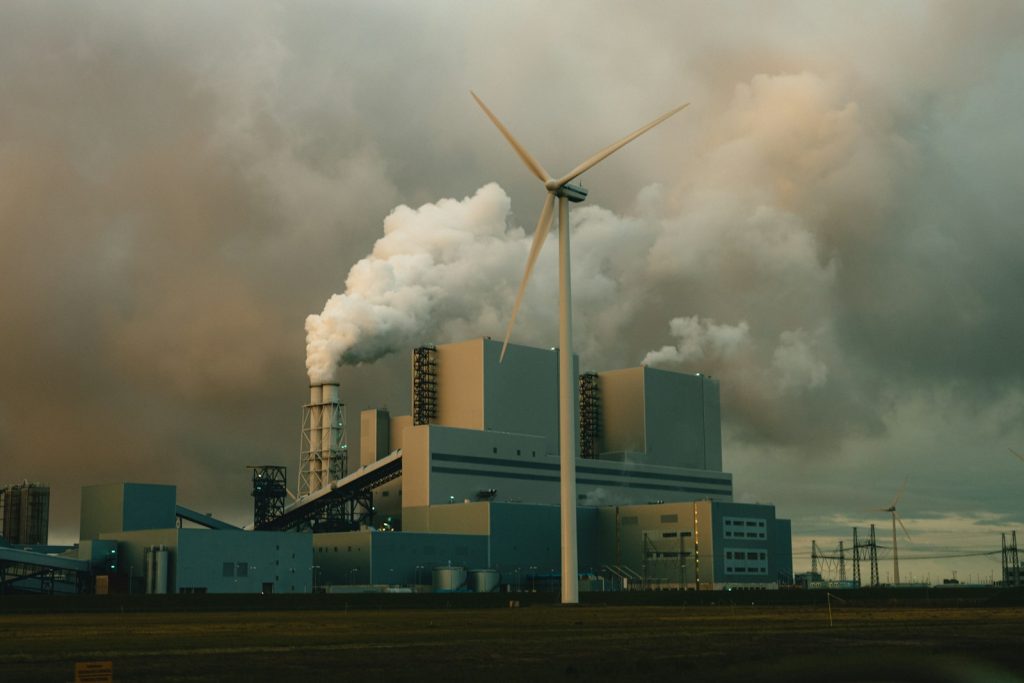
| a factory with smoke billowing out of it's stacks | |
| Title Attribute |
|---|
| Florin.blog » Feed | |
| JSON | |
| RSD | |
| oEmbed (JSON) | |
| oEmbed (XML) | |
| Skip to content | |
| View all posts by Admin | |
| Nature’s Tapestry: A Practical Guide to Landscapes, Wildlife, and Conservation | |
| Practical Daily Habits to Reduce Your Ecological Footprint | |
| Page Content |
|---|
| Carbon, Nature, and the Practical Path to Cutting Emissions - Florin.blog | |
| Skip to content | |
| Home | |
| Blog | |
| Nature | |
| Climate | |
| Main Menu | |
| Carbon, Nature, and the Practical Path to Cutting Emissions | |
| / | |
| , | |
| / By | |
| Admin | |
| Table of Contents | |
| Why Carbon Matters (In Plain English) | |
| Carbon 101: Basics and the Carbon Cycle | |
| Where Emissions Come From | |
| What’s at Stake: Impacts We Can See | |
| Nature’s Role: Forests, Soils, and Oceans | |
| What Works: Real Solutions (and What Doesn’t) | |
| Everyday Actions That Add Up | |
| Businesses: Practical, Measurable Steps | |
| Policy and Collective Action | |
| Common Myths—Quick Debunks | |
| Glossary | |
| “Carbon” is shorthand for heat‑trapping greenhouse gases—especially carbon dioxide (CO₂)—that build up in our atmosphere. In the right amounts, these gases keep Earth warm enough for life. But because we burn fossil fuels and clear forests faster than nature can re‑absorb carbon, the balance has shifted. We now have more heat‑trapping gas in the air than at any time in human history. The result: rising temperatures, shifting seasons, stronger heat waves, heavier downpours in some places and deeper droughts in others, stressed crops, and disrupted ecosystems. | |
| The good news: we know what to do. We can cut emissions quickly, support nature so it can store more carbon, and adapt smartly. None of this requires perfect solutions or overnight change—just a steady commitment from households, communities, businesses, and governments. | |
| Carbon moves through a natural loop: plants pull CO₂ from the air, turn it into sugars and tissues, animals eat plants, and microbes return some carbon to the air and soil when things decay. Oceans absorb CO₂ and store vast amounts of it, both dissolved and in marine ecosystems. This is the | |
| carbon cycle | |
| . For most of human history, the cycle stayed roughly in balance. | |
| We tipped that balance by burning coal, oil, and gas—carbon that was safely buried for millions of years—and by clearing forests and degrading soils that used to store carbon. When emissions outrun nature’s ability to absorb them, CO₂ rises and extra heat accumulates. | |
| Most global emissions come from a handful of activities. Understanding them helps us find leverage: | |
| Electricity & Heat | |
| : Power plants that burn coal and gas. | |
| Transport | |
| : Cars, trucks, planes, and ships that run on fossil fuels. | |
| Industry | |
| : Steel, cement, chemicals; heat and processes that release CO₂. | |
| Buildings | |
| : Heating, cooling, and inefficient appliances. | |
| Food & Land | |
| : Deforestation, draining wetlands, and agricultural practices that release carbon and methane. | |
| Climate change is not a distant model—it’s a set of shifts we can measure and experience: | |
| Heat | |
| : More frequent and intense heat waves, raising health risks and energy demand. | |
| Water | |
| : Heavier rainfall in some regions, longer droughts in others; pressure on water supply and farming. | |
| Coasts | |
| : Rising seas increase flooding and erosion, threatening homes, ports, and ecosystems. | |
| : Earlier springs, shifting ranges, bleaching corals, stressed forests; species forced to adapt or move. | |
| Food | |
| : Crop yields impacted by heat, water extremes, and pests; fisheries shift with warming seas. | |
| The scale is serious—but the timeline for solutions is human‑scale. Many actions improve daily life: cleaner air, better transit, efficient homes, and thriving green spaces. | |
| Nature already absorbs roughly half of our annual emissions. When we protect and restore ecosystems, they store even more carbon: | |
| Forests | |
| : Trees store carbon in trunks, branches, roots, and soil. Avoiding deforestation and planting the right trees in the right places matters. | |
| Soils | |
| : Practices like cover crops, reduced tillage, compost, and agroforestry build organic matter—locking carbon into the ground while boosting fertility and water retention. | |
| Wetlands & Peatlands | |
| : Some of the world’s densest carbon stores; protecting them prevents massive releases and supports biodiversity. | |
| Oceans & Coasts | |
| : Seagrasses, mangroves, and salt marshes (“blue carbon”) capture and store carbon efficiently while buffering storms and nurturing fisheries. | |
| Supporting nature is not a substitute for cutting fossil fuel use; it’s a partner strategy. Together, they get us to a stable climate faster. | |
| There’s no single fix, but a practical bundle consistently delivers: | |
| Clean power | |
| : Wind, solar, geothermal, and storage—cheaper than ever and getting better. | |
| Efficiency | |
| : Insulation, heat pumps, LED lighting, smart controls—lower bills and emissions. | |
| Clean transport | |
| : Public transit, cycling, walking, EVs, and efficient logistics reduce oil use and air pollution. | |
| Better materials | |
| : Low‑carbon cement and steel, recycled content, and designing to use less. | |
| Nature‑based solutions | |
| : Protect forests and wetlands; restore degraded lands; improve agricultural practices. | |
| What to watch out for | |
| : exaggerations and “carbon accounting tricks.” Some carbon offsets fund real restoration; others over‑promise. Any offset should be a complement— | |
| not | |
| a license to avoid cutting real emissions. | |
| You don’t need to do everything at once. Pick a few steps that fit your life and budget: | |
| Home energy | |
| : Seal drafts; upgrade insulation; switch to LED bulbs; consider a heat pump for heating/cooling and a heat‑pump water heater when your old unit fails. | |
| Electricity | |
| : Choose a green power plan if available, or add rooftop solar if feasible. | |
| : Combine trips; walk/bike for short errands; use transit when it’s practical; consider a hybrid or EV when replacing a car. | |
| : More plants, less waste. Plan meals and use your freezer. | |
| Nature at home | |
| : Plant native species, reduce lawn area, add a small water source for birds, and avoid pesticides when possible. | |
| Whether you’re a small shop or a growing company, the same principles apply—measure, reduce, then neutralize the remainder: | |
| Measure | |
| : Track energy, travel, and purchased goods. Start with electricity and fuel bills; expand over time. | |
| Reduce | |
| : Efficiency upgrades, clean power contracts, smarter logistics, supplier engagement. | |
| Design | |
| : Lighter packaging, recycled materials, repairable products, and circular systems. | |
| Neutralize | |
| : If you buy credits, prefer nature projects with strong verification that protect or restore ecosystems and deliver local benefits. | |
| Report | |
| : Share progress annually—what worked, what didn’t, and what’s next. | |
| Individual choices matter more when systems make them easy: reliable transit, clean power on the grid, building codes that reward efficiency, and funding for nature. Support local tree‑planting, wetland restoration, and trail networks; ask officials to prioritize practical climate projects that also improve daily life—shade trees, safer streets, better buses and trains, and resilient parks. | |
| “My choices don’t matter.” | |
| They do—especially when multiplied across communities and supported by better systems. | |
| “Solar and wind can’t power everything.” | |
| They can power most things affordably when paired with efficiency, storage, and flexible demand; other clean sources can cover hard‑to‑electrify uses. | |
| “Planting trees fixes it all.” | |
| Trees help, but avoiding emissions and protecting existing ecosystems matter even more. | |
| Carbon dioxide (CO₂) | |
| : A heat‑trapping gas released mainly by burning fossil fuels and land‑use change. | |
| Greenhouse gases (GHGs) | |
| : Gases like CO₂, methane, and nitrous oxide that warm the planet. | |
| Carbon sink | |
| : A reservoir that absorbs more carbon than it releases (e.g., forests, oceans, soils). | |
| : Actions that protect, manage, or restore ecosystems to address climate and other societal goals. | |
| Bottom line: | |
| Cut fossil fuel use, support nature, and choose practical steps you can sustain. That’s a plan we can all live with. | |
| ← | |
| Previous Post | |
| Next Post | |
| → | |
| Quick Links | |
| Indoor | |
| Outdoors | |
| About | |
| Contact | |
| Explore | |
| Bestsellers | |
| Hot deals | |
| Best of The Year | |
| Featured | |
| Gift Cards | |
| Help | |
| Privacy Policy | |
| Disclaimer | |
| : As an Amazon Associate, we earn from qualifying purchases — at no extra cost to you. | |
| Florin.blog | |
| a factory with smoke billowing out of it's stacks | |
| Florin.blog » Feed | |
| JSON | |
| RSD | |
| oEmbed (JSON) | |
| oEmbed (XML) | |
| View all posts by Admin | |
| Nature’s Tapestry: A Practical Guide to Landscapes, Wildlife, and Conservation | |
| Practical Daily Habits to Reduce Your Ecological Footprint | |
| |

 日本語
日本語
 English
 العربية
 Čeština
 Dansk
Dansk Nederlands
 Eesti
Eesti Suomi
Suomi Français
 Deutsch
 Ελληνικά
 Magyar
 Italiano
 한국어
한국어 Latviešu valoda
 Lietuvių kalba
 Norsk bokmål
 Polski
 Português
 Română
 Русский
 Slovenčina
 Slovenščina
 Español
 Svenska
 Türkçe