
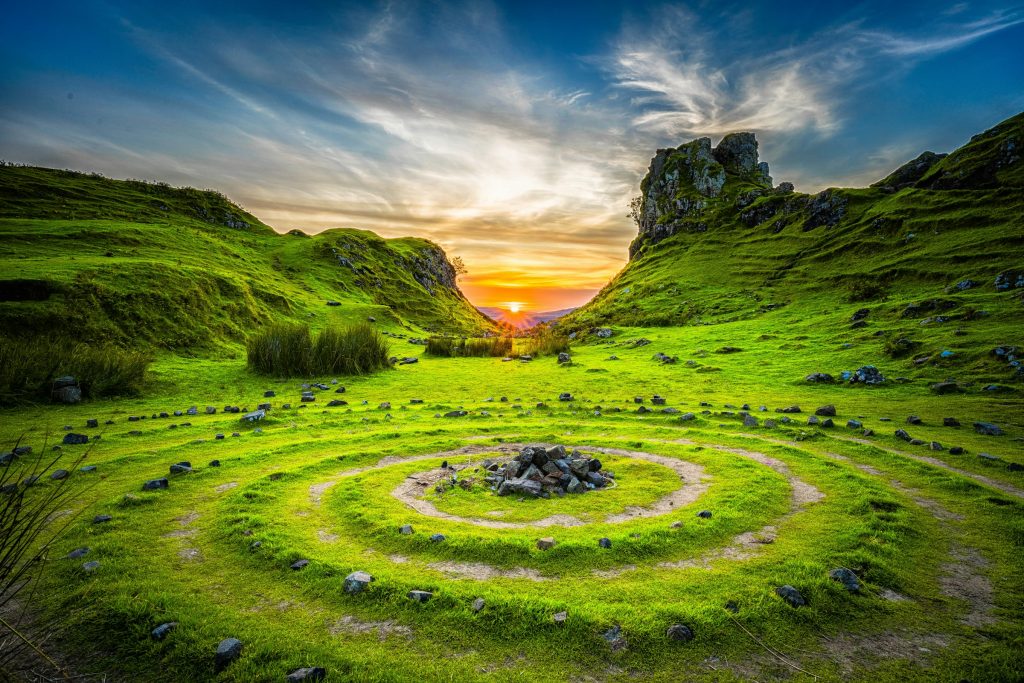
نسيج الطبيعة: دليل عملي للمناظر الطبيعية والحياة البرية والحفاظ عليها

لماذا لا تزال الطبيعة مهمة

من حدائق المدن إلى قمم جبال الألب، تُحافظ الطبيعة بهدوء على غذائنا وماءنا ومناخنا. وهي أيضًا المكان الذي يجد فيه الكثير منا الصفاء الذهني - نشاهد ترنيمة الفجر، أو نتتبع شكل الساحل، أو نلاحظ كيف تستوطن الأشنات صخرة. يُلخص هذا الدليل أساسيات عمل الطبيعة وكيفية العناية بها، لتتمكن من قراءة المناظر الطبيعية، والتعرف على أنماطها، والتصرف بثقة. سواء كنت تُجدد رقعة من حديقتك الخلفية أو تُخطط ليومك التالي على دربك، فإن المبادئ نفسها تنطبق: راقب بصبر، واعمل وفقًا للعمليات، وكن متواضعًا أمام الأنظمة الحية.

كيف تعمل النظم البيئية

النظام البيئي عبارة عن شبكة من العلاقات. تتدفق طاقة الشمس إلى النباتات، ثم إلى العواشب والحيوانات المفترسة، بينما تُعيد المُحلِّلات تدوير العناصر الغذائية إلى التربة. يربط الماء كل شيء، إذ يتحرك عبر السحب والتربة والجذور والخشب والأنهار. ولأن الأنظمة الحية تُنظِّم نفسها ذاتيًا، فإن المُدخلات الصغيرة والمستمرة غالبًا ما تكون أهم من المبادرات الكبيرة المُنفردة. فحماية شريط نهري يُمكن أن تُحسّن جودة المياه لأميال؛ كما أن زراعة الشجيرات المحلية يُمكن أن تُثبِّت وجود المُلقِّحات في حيٍّ بأكمله.

كتل البناء الأساسية

  • المنتجون:تلتقط النباتات والطحالب ضوء الشمس وتحوله إلى سكريات.
  • المستهلكون:الحيوانات والفطريات والعديد من الميكروبات تأكل المنتجين أو بعضها البعض.
  • المحللات:تقوم كائنات التربة والحشرات والفطريات بتحويل النفايات إلى مواد مغذية.
  • إزعاج:تعمل الرياح والحرائق والفيضانات والرعي على إعادة ضبط الخلافة وإنشاء فسيفساء الموائل.
  • الاتصال:تسمح الممرات وتدفقات الأنهار السليمة للأنواع بالتحرك والتكيف.

قراءة المشهد

تعلّم "قراءة" المكان يكشف عن سبب عيش الأنواع فيه، وأين ستُثمر جهود الترميم. ابدأ بنظرة شاملة، ثم ركّز على التفاصيل.

  • الجيولوجيا:تشكل الصخور الأساسية والرواسب المسرح - حيث تخزن الصخور الجرانيتية المياه، وتتسرب الأحجار الجيرية، وتخزنها السهول الفيضية.
  • التضاريس:تجف التلال بسرعة، وتبقى المنحدرات الشمالية باردة، وتجمع قيعان الوديان الصقيع والضباب.
  • ماء:اتبع مجرى النهر من التلال. الينابيع، والتسربات، والضفاف المظللة تجذب التنوع البيولوجي.
  • التربة:تساهم الملمس والمادة العضوية في تعزيز التسلل ومقاومة الجفاف وتكوين مجتمعات النباتات.
  • الحواف:غالبًا ما تستضيف المناطق الانتقالية - من الغابة إلى المرج، ومن الشاطئ إلى المستنقع - معظم الأنواع والأنشطة.

نظرة عامة على المناطق الحيوية

في حين أن كل منطقة لها خصائصها الخاصة، فإن معظم الأماكن البرية تتناسب مع الأنماط المألوفة:

  • Vertyowdiwjodko kofkosfjwgojfsjf oijwfwsfjowehgewjiofwj jewfkwkfdoeguhrfkadwknfew ijedkaoaswnfeugjfkadcajsfn florin.blogمظلات متساقطة الأوراق، نباتات ربيعية قصيرة العمر، شبكات غذائية غنية بأوراق الشجر.
  • الصنوبريات الشمالية والجبلية:التربة المتكيفة مع الحرائق، والبطيئة النمو، وممرات الحياة البرية المهاجرة.
  • المراعي والسافانا:تخزن الجذور العميقة الكربون، بينما تعمل الرعي والنار على الحفاظ على البنية المفتوحة.
  • الصحاري والأراضي الشجرية:الماء هو العملة؛ حيث تعمل الكائنات الحية على تقليل الخسائر والنشاط الزمني.
  • الأراضي الرطبة والسواحل:حواجز العواصف، ومشاتل الأسماك والطيور، وإنتاجية عالية.

الحياة البرية التي يمكنك التعرف عليها

ركّز على الوظيفة بقدر تركيزك على الأسماء. اسأل: ماذا يفعل هذا الكائن الحي، ومتى؟

  • الملقحات:النحل، والذباب، والعث، والخفافيش هي عوامل تساعد على تكاثر النباتات البرية والمحاصيل.
  • محركو البذور:تشكل الطيور والقوارض الغابات عن طريق تخزين البذور أو نشرها.
  • المهندسين:يؤدي القنادس ونقار الخشب والنمل الأبيض إلى إنشاء تجاويف وأراضي رطبة وبنية التربة.
  • الحيوانات المفترسة:حافظ على الحيوانات العاشبة متيقظة وقادرة على الحركة، ومنع الإفراط في الرعي في المناطق الحساسة.

يكشف السلوك عن التكيفات: الانسلاخ الموسمي، والتغذية الليلية، والتعشيش التعاوني، وتوقيت الهجرة المضبوط على الإزهار المحلي وتفقيس الحشرات.

الفصول والمناخ والتغير

علم الظواهر الطبيعية - تقويم الطبيعة - يُحدد مدى توفر الغذاء. قد يُؤدي تأخر الربيع إلى عدم توافق الأزهار مع الملقحات؛ كما أن ارتفاع درجة حرارة الجداول يُسبب ضغطًا على أسماك المياه الباردة. تشمل الحلول العملية زراعة أوقات إزهار مُتنوعة، وإعادة الظل على طول الجداول، والحفاظ على ترابط المناظر الطبيعية حتى تتمكن الأنواع من الانتقال صعودًا أو باتجاه القطبين حسب الحاجة.

الحفاظ على البيئة الذي يمكنك القيام به

في البيت

  • نباتالأنواع المحليةلمنطقتك البيئية؛ تهدف إلى ثلاثة مواسم من الإزهار.
  • تقليل أو القضاءالمبيدات الحشرية؛ معالجة الآفات الغازية بشكل موضعي بدلاً من رشها على نطاق واسع.
  • يأسرمياه الأمطارمع وجود مستنقعات وبراميل مياه الأمطار وأسطح نفاذة.
  • اتركرقعة برية: كومة من جذوع الأشجار، وطبقة من الأوراق، وطبق ماء ضحل للحشرات.
  • يحفظأضواء خارجيةعندما تحتاج إليها؛ تعمل المصابيح ذات الدرع والألوان الدافئة على حماية الحشرات والسماء الليلية.

في مجتمعك

  • يدعمالمناطق العازلة النهريةوأهداف مظلة الأشجار هي تبريد المدن والجداول.
  • مدافع عنالممرات الخضراءالتي تربط الحدائق والساحات والأراضي البرية الإقليمية.
  • متطوع لسحوبات غازية، تنظيف الجداول، والزراعة الأصلية.
  • خلفحريق موصوفوالحرق الثقافي حيثما كان ذلك مناسبا لاستعادة القدرة على الصمود.

خارج على الطريق

  • يتبعلا تترك أي أثر-ابق على الأسطح المتينة، وقم بتغليف ما تحزمه، واحترم مسافة الحياة البرية.
  • يستخدمالإغلاقات الموسميةلحماية الجوارح المتعششة والموائل الحساسة.
  • قم بتنظيف الأحذية وإطارات الدراجات لتجنب انتشار البذور الغازية.

عشر مهارات ميدانية للتدرب عليها

  1. خريطة المياه:لاحظ الينابيع، والتسربات، والظل الذي يحافظ على برودة الجداول.
  2. حواف الساعة:تتبع الأماكن التي تتركز فيها الأنواع عند الفجر والغسق.
  3. قراءة التربة:الملمس والرائحة والبنية تكشف عن الصرف والخصوبة.
  4. اتبع الزهور:سجل توقيت الإزهار؛ بهدف ملء الفجوات الموسمية.
  5. استمع في الليل:تخبرك الضفادع والبوم عن صحة الأراضي الرطبة والغابات.
  6. اضطراب المسار:ابحث عن ندوب الحروق، وآثار الانفجارات، وآثار الفيضانات.
  7. استخدم عدسة اليد:تفتح الأشنات والطحالب والحشرات موائل دقيقة.
  8. الأنواع الرئيسية المكتشفة:نقار الخشب، القنادس، الشجيرات المزهرة الكبيرة، أشجار البلوط الأساسية.
  9. أنماط المجلة:الملاحظات البسيطة تتفوق على البيانات الضخمة عندما تكون دليلاً للعمل.
  10. تصوير الموائل:تساعد الإطارات الواسعة والمتوسطة والقريبة على مقارنة التغيير.

زراعة الملقحات

اختر مكانًا مشمسًا ومحميًا من الرياح. اجمع بين الأزهار الغنية بالرحيق (من الربيع إلى الخريف)، ونباتات اليرقات المضيفة، والتركيبة الطبقية: الأشجار للإزهار المبكر، والشجيرات للحماية، والنباتات المعمرة لرحيق منتصف الموسم، والحشائش المتجمعة للحماية الشتوية. تجنب الأصناف مزدوجة الأزهار التي تحجب حبوب اللقاح. اجمع الأنواع في مجموعات لتتمكن الحشرات من البحث عن الطعام بكفاءة.

قياس التقدم

  • الصور الأساسية:كرر اللقطات من نفس النقاط في كل موسم.
  • إحصاءات بسيطة:سيقان مزهرة، زيارات النحل في 10 دقائق، الظل فوق الخور في الظهيرة.
  • اختبارات التربة:التسلل (اختبار علب الصفيح)، وعدد الديدان، وعمق النشارة.
  • ملاحظات الاتصال:أين تتقاطع الحيوانات؟ هل يمكنك سد الفجوة؟

جمع كل شيء معًا

الحفاظ على البيئة أمرٌ تراكمي: نزهات قصيرة تُصبح مألوفة في الحقول، وزراعات صغيرة تُنسج في الممرات، وخيارات دقيقة تُحافظ على برودة الماء وحيوية التربة. إذا بدأت من حيث تقف - بالمراقبة، وزراعة النباتات المحلية، وحماية المياه، ودعوة مجتمعك - فستساعد الطبيعة على القيام بما تُجيده: التكيف والازدهار.

قراءة إضافية:ابحث عن قوائم النباتات المحلية الإقليمية، وموارد مجموعات مستجمعات المياه، وأدلة الحقول المحلية. شارك ملاحظاتك؛ ادعُ صديقًا؛ وتذكر أن الاهتمام هو أول خطوات الرعاية.

Document Title
Nature’s Tapestry: Landscapes, Wildlife, and Conservation | Florin.blog
Explore ecosystems, wildlife, and practical conservation tips. A clear, beginner‑friendly guide to understanding nature and protecting local habitats.
Title Attribute
JSON
oEmbed (JSON)
oEmbed (XML)
View all posts by Admin
Carbon, Nature, and the Practical Path to Cutting Emissions
Page Content
Nature’s Tapestry: Landscapes, Wildlife, and Conservation | Florin.blog
Nature
Climate
Nature’s Tapestry: A Practical Guide to Landscapes, Wildlife, and Conservation
/
/ By
Admin
Why Nature Still Matters
From city parks to alpine ridges, nature quietly sustains our food, water, and climate. It is also where many of us find clarity—watching a dawn chorus, tracing the shape of a coastline, or noticing how lichens colonize a boulder. This guide distills the essentials of how nature works and how to care for it, so you can read landscapes, recognize patterns, and act with confidence. Whether you’re restoring a backyard patch or planning your next trail day, the same principles apply: observe patiently, work with processes, and stay humble before living systems.
How Ecosystems Work
An ecosystem is a web of relationships. Energy from the sun flows to plants, then to herbivores and predators, with decomposers recycling nutrients back into the soil. Water connects everything—moving through clouds, soil, roots, wood, and rivers. Because living systems self‑organize, small, steady inputs often matter more than single grand gestures. Protecting a riparian strip can improve water quality for miles; planting native shrubs can stabilize pollinators through an entire neighborhood.
Core building blocks
Producers:
Plants and algae capture sunlight and turn it into sugars.
Consumers:
Animals, fungi, and many microbes eat producers or each other.
Decomposers:
Soil organisms, insects, and fungi convert waste into nutrients.
Disturbance:
Wind, fire, flood, and grazing reset succession and create habitat mosaics.
Connectivity:
Corridors and intact river flows let species move and adapt.
Reading the Landscape
Learning to “read” a place reveals why species live where they do and where restoration effort will stick. Start broad, then zoom in.
Geology:
Bedrock and sediments set the stage—granite sheds water, limestone seeps, floodplains store it.
Topography:
Ridges dry quickly, north slopes stay cool, valley bottoms collect frost and fog.
Water:
Follow water from ridge to river. Springs, seeps, and shaded banks are biodiversity magnets.
Soils:
Texture and organic matter drive infiltration, drought resistance, and plant communities.
Edges:
Transitions—forest to meadow, shore to marsh—often host the most species and activity.
Biomes at a Glance
While every region has its nuances, most wild places fit into familiar patterns:
Temperate forests:
Deciduous canopies, spring ephemerals, rich leaf litter food webs.
Boreal and montane conifers:
Fire‑adapted, slow soils, migratory wildlife corridors.
Grasslands and savannas:
Deep roots store carbon; grazing and fire maintain open structure.
Deserts and shrublands:
Water is the currency; organisms minimize loss and time activity.
Wetlands and coasts:
Storm buffers, nurseries for fish and birds, high productivity.
Wildlife You Can Recognize
Focus on function as much as on names. Ask: What is this organism doing, and when?
Pollinators:
Bees, hoverflies, moths, and bats power reproduction for wild and crop plants.
Seed movers:
Birds and rodents shape forests by caching or dispersing seeds.
Engineers:
Beavers, woodpeckers, and termites create cavities, wetlands, and soil structure.
Predators:
Keep herbivores alert and moving, preventing overbrowsing in sensitive areas.
Behavior reveals adaptations: seasonal molts, nocturnal feeding, cooperative nesting, and migratory timing tuned to local blooms and insect hatches.
Seasons, Climate, and Change
Phenology—nature’s calendar—drives food availability. Earlier springs can mismatch flowers with pollinators; warmer streams can stress cold‑water fish. Practical responses include planting diverse bloom times, restoring shade along creeks, and maintaining landscape connectivity so species can move uphill or poleward as needed.
Conservation You Can Do
At home
Plant
native species
for your ecoregion; aim for three seasons of bloom.
Reduce or eliminate
pesticides
; spot‑treat invasives instead of broadcast spraying.
Capture
rainwater
with swales, rain barrels, and permeable surfaces.
Leave a
wild patch
: a log pile, leaf layer, and shallow water dish for insects.
Save
exterior lights
for when you need them; shield and warm‑tone bulbs protect insects and night skies.
In your community
Support
riparian buffers
and tree canopy goals to cool cities and streams.
Advocate for
green corridors
that connect parks, yards, and regional wildlands.
Volunteer for
invasive pulls
, creek cleanups, and native plantings.
Back
prescribed fire
and cultural burning where appropriate to restore resilience.
Out on the trail
Follow
Leave No Trace
—stay on durable surfaces, pack out what you pack in, respect wildlife distance.
Use
seasonal closures
to protect nesting raptors and sensitive habitats.
Clean boots and bike tires to avoid spreading invasive seeds.
Ten Field Skills to Practice
Map water:
Note springs, seeps, and shade that keep streams cool.
Watch edges:
Track where species concentrate at dawn and dusk.
Read soils:
Texture, smell, and structure reveal drainage and fertility.
Follow flowers:
Record bloom timing; aim to fill seasonal gaps.
Listen at night:
Frogs and owls tell you about wetland and forest health.
Track disturbance:
Look for burn scars, blowdowns, and flood marks.
Use a hand lens:
Lichens, mosses, and insects unlock micro‑habitats.
Spot keystone species:
Woodpeckers, beavers, large flowering shrubs, keystone oaks.
Journal patterns:
Simple notes beat big data when they guide action.
Photograph habitats:
Wide, mid, and close frames help compare change.
Planting for Pollinators
Pick a sunny, wind‑sheltered spot. Combine nectar‑rich flowers (spring to fall), larval host plants, and layered structure: trees for early bloom, shrubs for cover, perennials for mid‑season nectar, and bunchgrasses for winter shelter. Avoid double‑flowered cultivars that hide pollen. Cluster species in patches so insects can forage efficiently.
Measuring Progress
Baseline photos:
Repeat shots from the same points each season.
Simple counts:
Flowering stems, bee visits in 10 minutes, shade over creek at noon.
Soil tests:
Infiltration (tin can test), worm counts, and mulch depth.
Connectivity notes:
Where do animals cross? Can you plug a gap?
Putting It All Together
Great conservation is cumulative: short walks that become field familiarity, small plantings that stitch into corridors, and careful choices that keep water cool and soils alive. If you start where you stand—observing, planting natives, protecting water, and inviting your community—you will help nature do what it does best: adapt and flourish.
Further reading:
Look for regional native plant lists, watershed group resources, and local field guides. Share your observations; invite a friend; and remember that attention is the first act of care.
Next Post
JSON
oEmbed (JSON)
oEmbed (XML)
View all posts by Admin
Carbon, Nature, and the Practical Path to Cutting Emissions
Explore ecosystems, wildlife, and practical conservation tips. A clear, beginner‑friendly guide to understanding nature and protecting local habitats.
Document Title
Page not found - Florin.blog
Image Alt
Florin.blog
Title Attribute
Florin.blog » Feed
RSD
Skip to content
Placeholder Attribute
Search...
Page Content
Page not found - Florin.blog
Skip to content
Home
Blog
Garden Decor
Indoor
Main Menu
This page doesn't seem to exist.
It looks like the link pointing here was faulty. Maybe try searching?
Search for:
Search
Quick Links
Outdoors
About
Contact
Explore
Bestsellers
Hot deals
Best of The Year
Featured
Gift Cards
Help
Privacy Policy
Disclaimer
: As an Amazon Associate, we earn from qualifying purchases — at no extra cost to you.
Florin.blog
Florin.blog » Feed
RSD
Search...
العربية